Seminar | Epigenetic Clocks as Dynamic Biomarkers of Aging, Intervention, and Mortality
2026-04-30
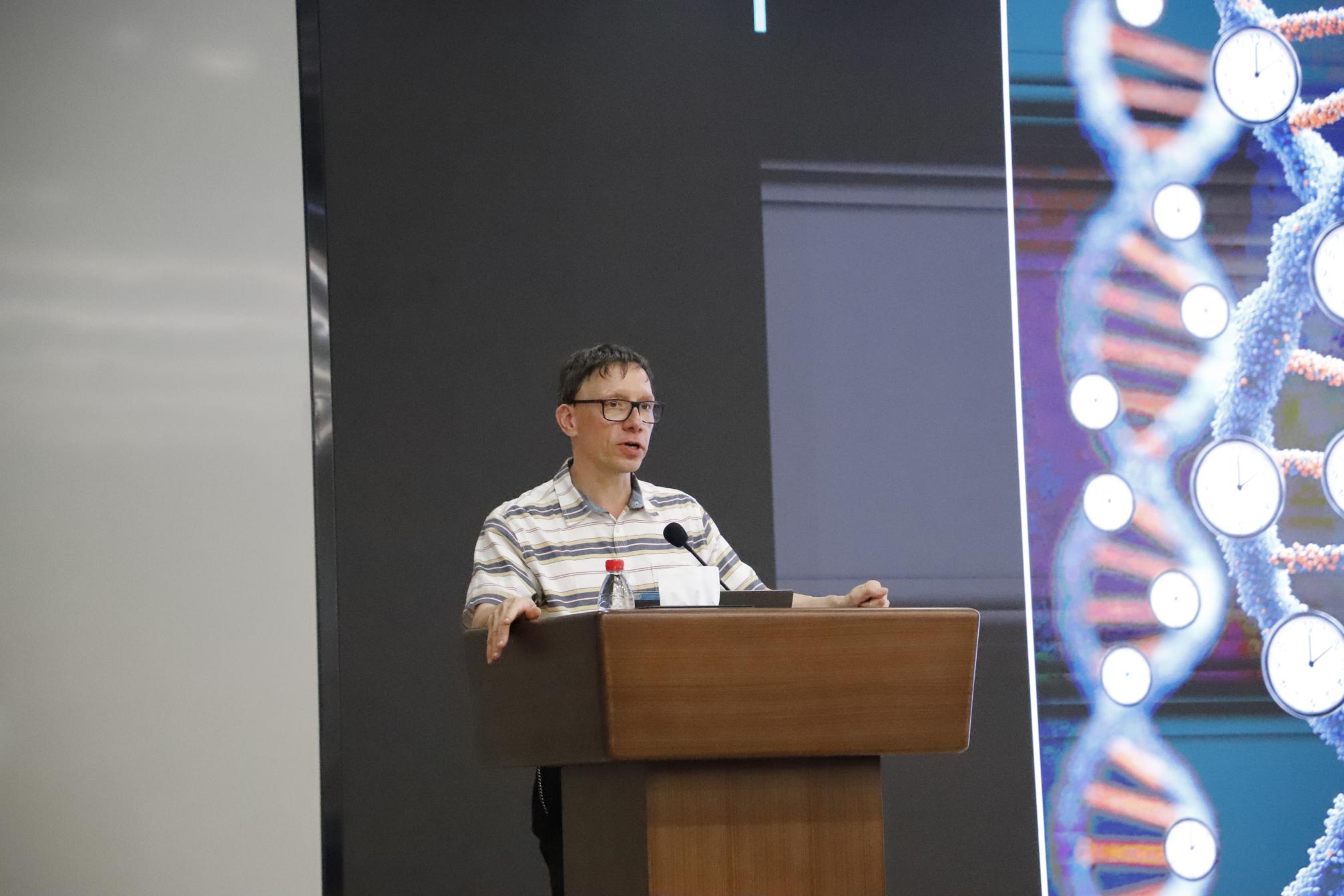
Steve Horvath
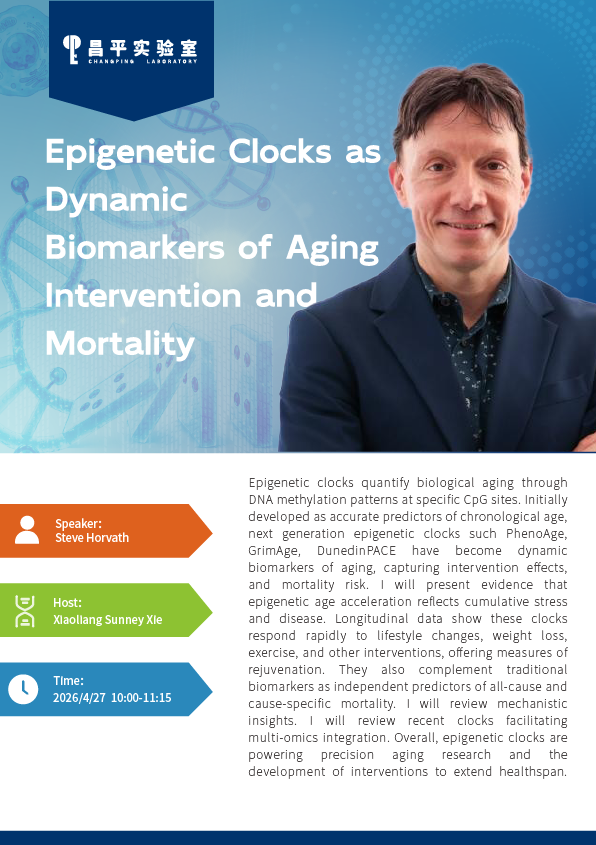
On April 28, 2026, Professor Steve Horvath from UCLA and Altos Labs presented “Epigenetic Clocks as Dynamic Biomarkers of Aging, Intervention, and Mortality”.The talk highlighted the evolution of DNA methylation clocks from chronological predictors to dynamic models quantifying biological aging and assessing anti-aging interventions.
Professor Horvath presented longitudinal cohort data demonstrating that accelerated epigenetic aging predicts higher mortality, establishing second-generation clocks as robust clinical endpoints. He reviewed pharmacological interventions, noting that Anti-Retroviral Therapy (ART) shows the strongest reversal of epigenetic aging, with additional benefits from anti-TNF-α therapy, metformin, and Hyperbaric Oxygen Therapy. GLP-1 agonists were discussed for their capability to improve methylation profiles via weight and inflammation control. Lifestyle and psychosocial factors, including vigorous exercise and social connectivity, were also emphasized for their substantial epigenetic impact.
Addressing current controversies, he noted that Rapamycin’s effects in human blood differ from those in animal models, highlighting the need for tissue-specific studies. Standardized sampling protocols were underscored to ensure clock reliability. Looking forward, Professor Horvath introduced third-generation epigenetic tools—including CpGPT, organ-specific clocks, and single-cell methylation analyses—that enable precise mapping of heterogeneous aging processes across tissues.
About the speaker
Dr. Steve Horvath is a geroscientist specializing in biomarkers, precision medicine, and genomics. A full professor at UCLA’s David Geffen School of Medicine and founding PI at Altos Labs, he is renowned for developing epigenetic aging clocks. His work includes the first multi-tissue clock (2013), second-generation clocks predicting mortality, and the universal pan-mammalian clock (2023). He also founded the non-profit Epigenetic Clock Development Foundation and has been listed among Clarivate’s most influential scientists annually since 2018.