Top Scientists Around the World Gathering in Beijing to Celebrate the 25th Anniversary of the Completion of the Human Genome Project
2026-08-28
01
25 Years of Human Genome International Symposium
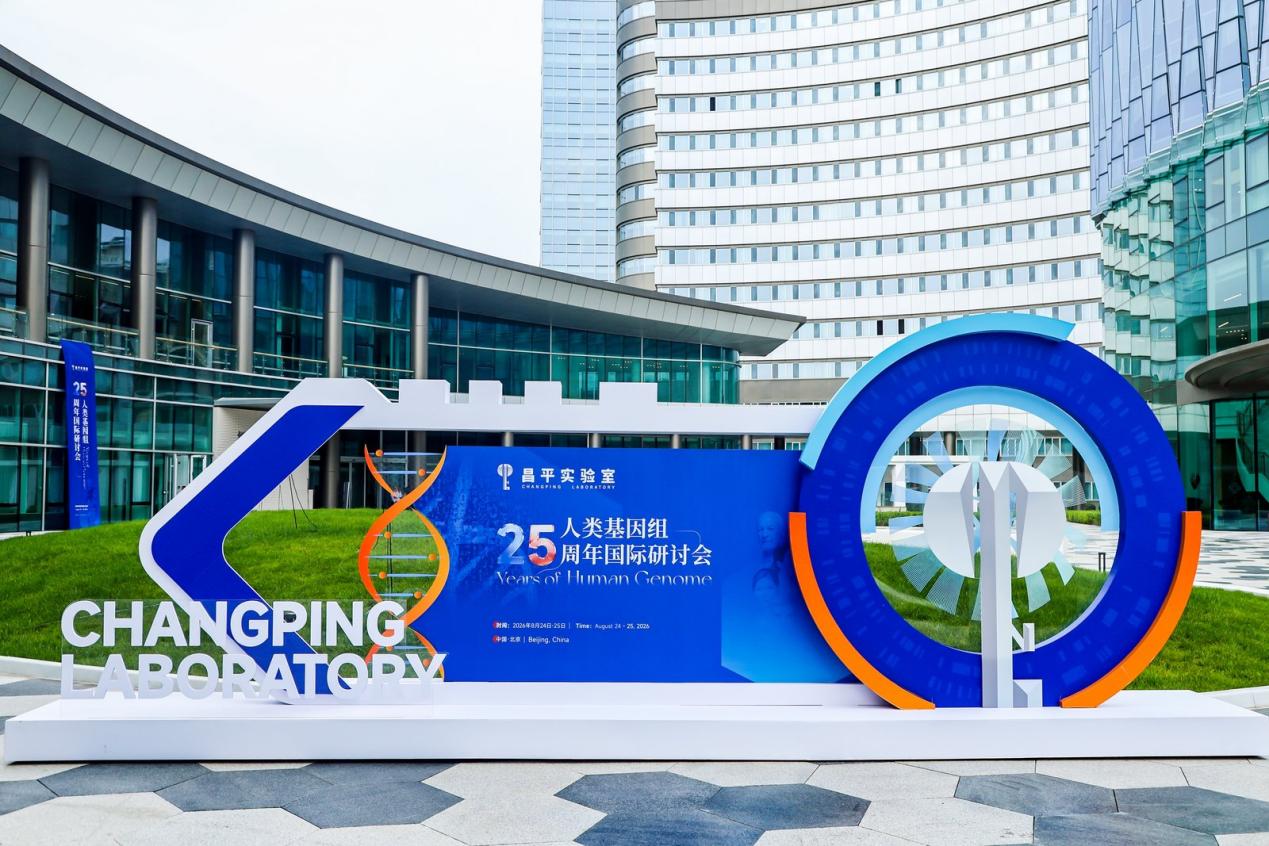
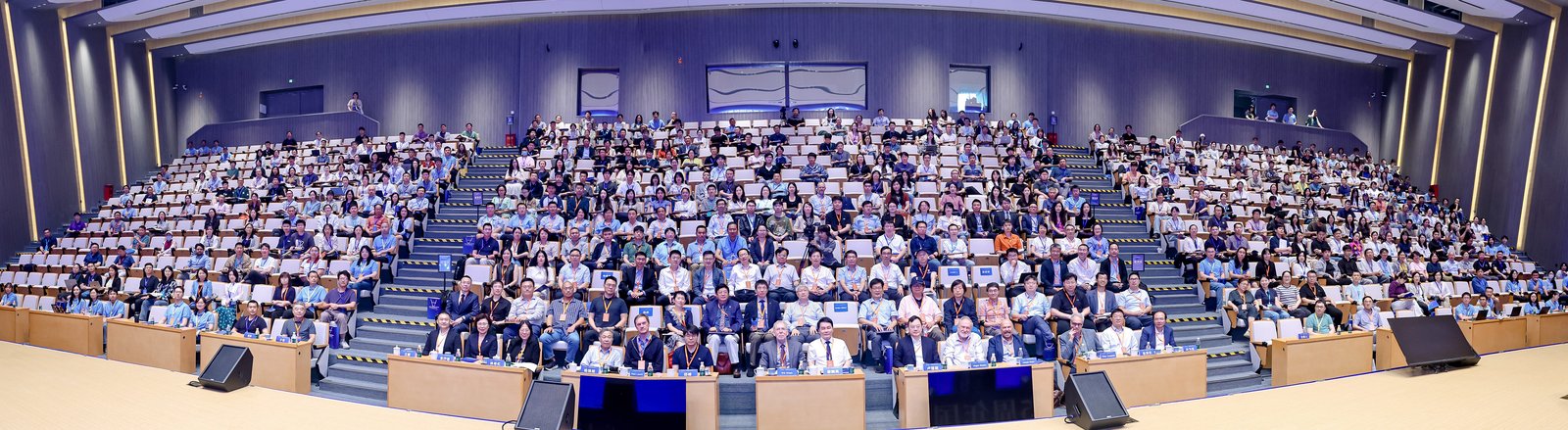
On August 24–25, 2026, the international symposium “25 Years of Human Genome,” commemorating the 25th anniversary of the publication of the human genome sequence draft, was held at Changping Laboratory. Co-organized by Professor Xiaoliang Sunney Xie and Professor Yanyi Huang, the symposium brought together more than 30 world-leading scientists from China, the United States, the United Kingdom, Sweden, and other countries, including 15 academicians. The participants convened to review landmark advances in genomics over the past 25 years and engaged in in-depth academic discussions and intellectual exchange on cutting-edge topics including the sequencing revolution, functional genomics, single-cell omics, 3D genomics, population genomics, and AI for genomics.
Invited keynote speakers included Eric Green, then Director of the U.S. National Human Genome Research Institute and a core participant in the Human Genome Project; Professor Huanming Yang, the key Chinese team leader in the Human Genome Project; Jonathan Rothberg, the pioneer of the next-generation sequencing technologies; Professor Hagan Bayley FRS, the pioneer of nanopore sequencing; Professor Xiaoliang Sunney Xie, the pioneer of single-cell omics; Professor Xihong Lin, an expert in large-scale population cohorts, statistics, and AI; Professor Weimin Ye, leader of the Fuqing Cohort; Professor Dennis Lo, inventor of the Non-Invasive Prenatal Testing (NIPT); Peter Campbell, an expert in cancer genomics; Professor Zemin Zhang, leader of pan-cancer single-cell atlas; Professor Sten Linnarsson, a leading scientist in the human brain cell atlas; and Professor Joseph Ecker, an expert in the human DNA methylome, among others.
Over the two-day symposium, more than 30 internationally renowned scholars delivered keynote presentations covering a broad range of cutting-edge topics, including the evolution of sequencing technologies, genome assembly, functional genomics, population genomics, single-cell transcriptomics and regulatory networks, 3D genomics, single-cell multi-omics, cancer genomics, genomics of neuroscience, gene regulatory elements, and artificial intelligence for genomics. The presentations showcased the forefront of global genomics research. The symposium also featured panel discussions on Historical Reflection, Genomic Sequencing Revolution, Genomic Medicine, and AI for Genomics.
02
Opening Ceremony
In his opening remarks, Professor Xiaoliang Sunney Xie, Director of Changping Laboratory, addressed: “Twenty-five years ago, in February 2001, Nature and Science published the draft sequence of the human genome, just one day apart. This was a major milestone in human civilization.”
“The completion of the Human Genome Project had a profound impact on biology, medicine, and society. It catalyzed the revolution in next-generation sequencing technologies and laid the foundation for genomic medicine. Today, we can sequence an individual’s entire genome with high accuracy at extremely low cost, and even analyze the genome, transcriptome, and epigenome of a single cell.”
“In hindsight, the Human Genome Project stands alongside the Manhattan Project and the Apollo Program as one of the most successful mega‑projects in the history of science. This symposium is a testament to our commitment to continued open communication, data sharing and genuine cooperation within the genomic community. It is particularly meaningful to commemorate the great achievement of international collaboration 25 years ago .”
In a video address, Nature’s Editor-in-Chief Magdalena Skipper reflected, “Memories like this belong in a museum.” She emphasized that the Human Genome Project demonstrated that certain great scientific endeavors can only be accomplished through multicenter, international collaboration.
Science’s Editor-in-Chief Holden Thorp remarked, “We thought it would answer a lot of questions. It did, but it raised more questions than it answered. They are questions we never would have known about in the first place before the sequence was done.”
Twenty-five years ago, the first draft of the human genome sequence was unveiled, ushering in a new era of life sciences. To commemorate this historic moment, Changping Laboratory brought together key participants and mediators from both sides of the historic sequencing competition: Eric Green, a key leader from the public consortium; Mark Adams, who led the whole-genome shotgun sequencing effort at Celera; Aristides Patrinos, the mediator who helped bring the two sides to a historic reconciliation; and Huanming Yang, who led China’s 1% contribution to the Human Genome Project. For the first time, these four witnesses to history appeared on the same stage, looking back on a life-science revolution that continues to this day and envisioning the unimaginable possibilities of the next 25 years.
03
Historical Session
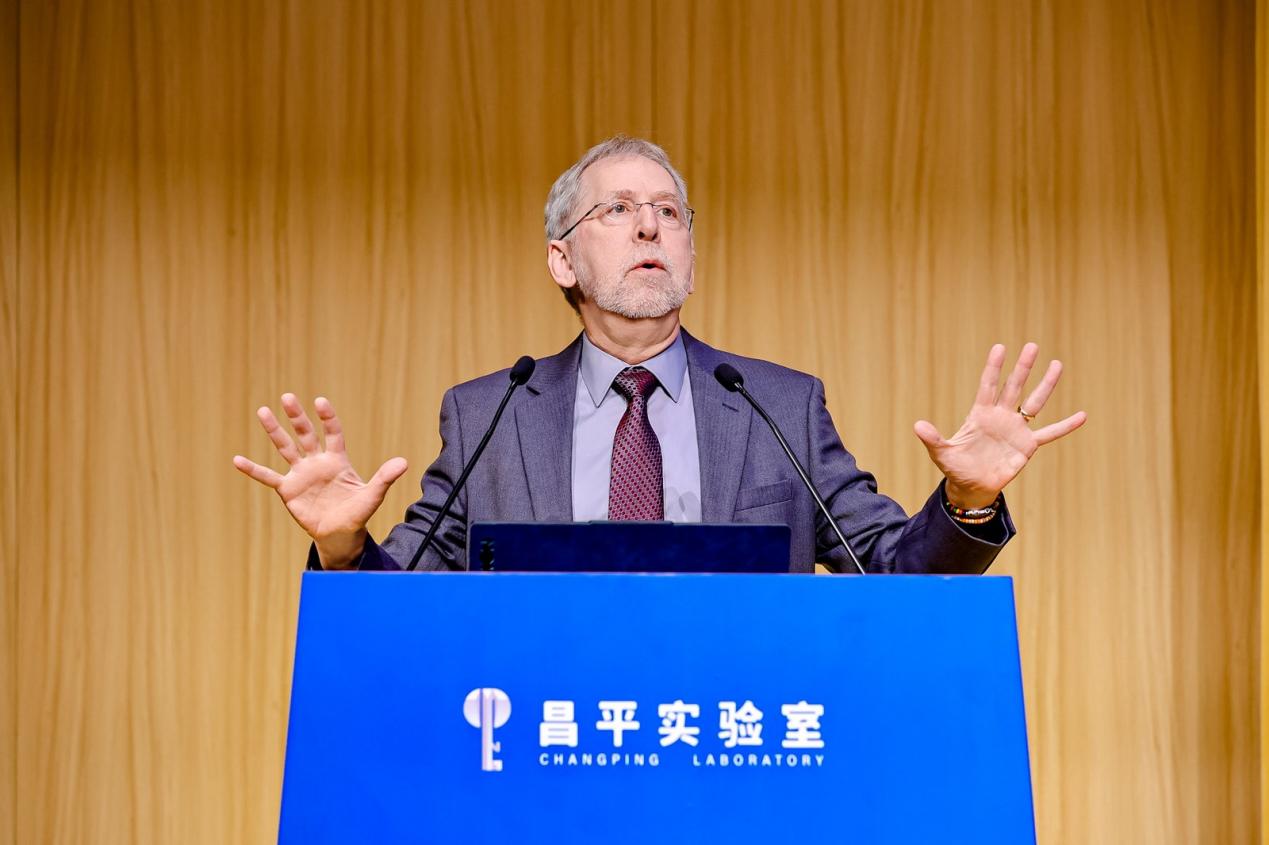
Eric Green, a key participant in the Human Genome Project and former Director of the National Human Genome Research Institute, reviewed the Human Genome Project's trajectory, from conception to implementation, in his presentation. He emphasized that the spirit of data sharing established by the Bermuda Principles remains one of the most important scientific legacies of the Human Genome Project. The first human genome sequencing took six years and cost approximately $1 billion. Today, sequencing instruments generate, on average, one genome sequence every six seconds. Genomic medicine has expanded into five major areas: cancer, rare-disease diagnosis, prenatal testing, pharmacogenomics, and disease prevention. Genome sequencing in newborns, he noted, is likely to represent the next major advance.
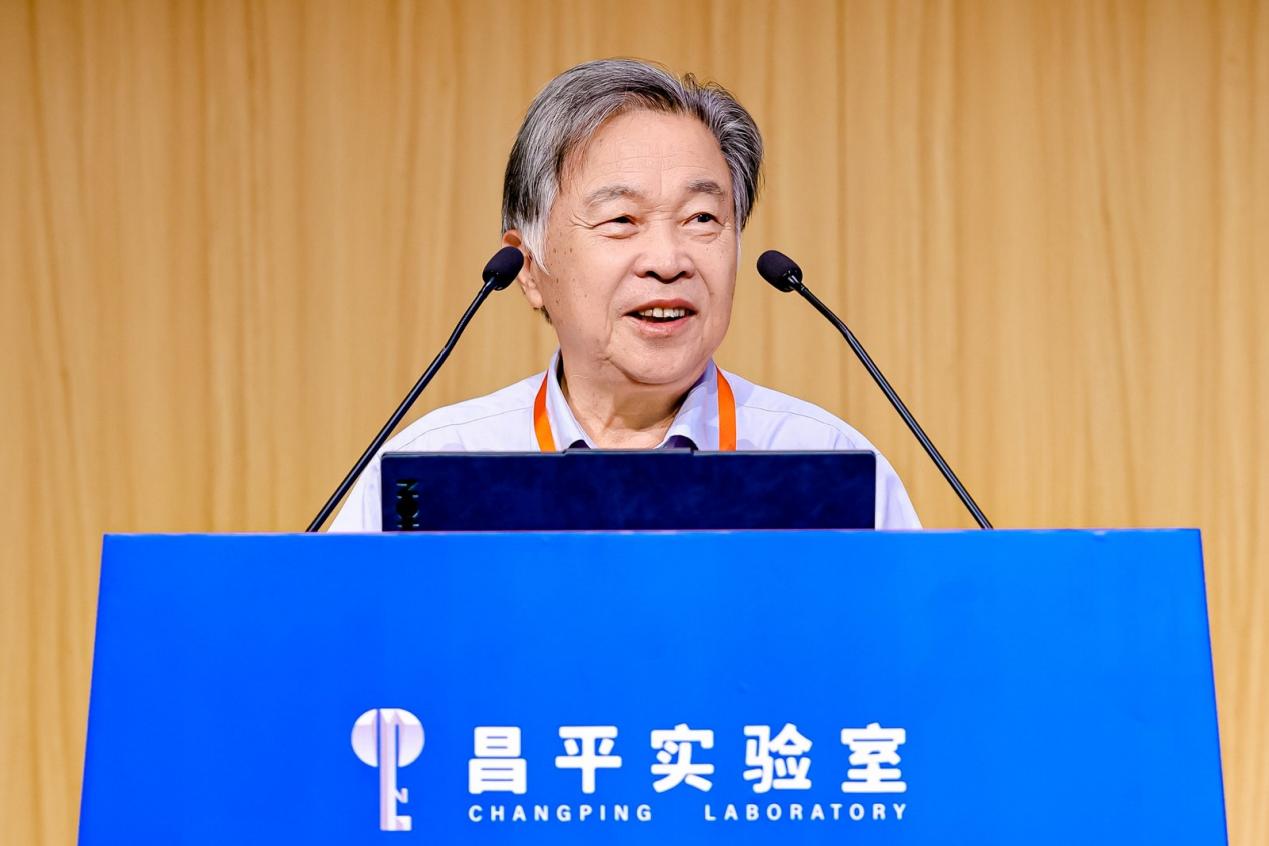
Huanming Yang, leader of China’s contribution to the Human Genome Project and co-founder of BGI Group, reviewed China’s participation in the Human Genome Project beginning in 1999. As the only developing country participating in the project, Chinese researchers sequenced 30 million base pairs on the short arm of Chromosome 3 and contributed 1.3% of the original sequence data. He emphasized that the “1% Project” marked the beginning of the genomics era in China, and that the greatest legacy of the Human Genome Project is the spirit of international collaboration.
04
Scientists Share Cutting-Edge Advances
Dr. Jonathan Rothberg recounted how his son’s days in ICU inspired him to transform sequencing from a laboratory-scale process into a semiconductor-based technology platform. He developed two key technologies—massively parallel sequencing by synthesis and in vitro clonal amplification—and launched the first commercial sequencing instrument in 2005. He subsequently founded Ion Torrent, which applied semiconductor chip technology to DNA sequencing, helping reduce the cost of personal genome sequencing from approximately $1 million to several hundred dollars.
Professor Hagan Bayley FRS described his work on the α-hemolysin heptameric pore and the development of the first portable nanopore sequencing device, MinION, in 2014. The platform enables read lengths up to megabase scale, and direct RNA sequencing. His team is now extending nanopore technology toward protein and glycan. Because the number of peptide bonds in cells is approximately 1,000 times greater than the number of phosphodiester bonds, these applications represent a major next challenge for nanopore sequencing.
Professor Yanyi Huang of Changping Laboratory and Peking University presented the evolution of sequencing technologies based on fluorescent DNA sequencing. Starting from fundamental innovations in sequencing chemistry and progressing toward translational applications, this approach integrates multiple underlying technological advances in sequencing reagents and chip-based platforms. By employing parallel sequencing chemistry, the technology enables highly accurate and high-throughput DNA sequencing. Combined with newly developed chip-recycling technology, the chips can potentially be reused more than 10 times, ultimately enabling a substantial reduction in the cost of whole-genome sequencing and making genomic technologies more accessible.
Professor Fuchou Tang of Changping Laboratory and Peking University discussed single-cell long-read sequencing and its applications in developmental biology. In 2013, his team developed scRRBS, the first single-cell DNA methylation sequencing technology reported, and discovered that approximately 10% of genomic regions in human blastocysts exhibit parent-of-origin-specific DNA methylation. The team subsequently established a single-cell long-read sequencing platform, successfully resolving the temporal dynamics of X-chromosome inactivation and the mechanisms underlying chromatin-loop remodeling during meiotic homologous recombination. They also developed a multi-omics technology capable of simultaneously profiling the transcriptome, DNA methylation, and chromatin accessibility within the same single cell.
Professor Xiaoliang Sunney Xie systematically introduced the mechanisms by which transcription factors regulate gene expression. The team developed FOODIE, a DNA-deaminase-based technology that enables detection of transcription factor binding sites at single-cell and single-molecule resolution. The technology can quantitatively measure binding fractions and reveal cooperative interactions between neighboring transcription factors. Their studies showed that co-expressed gene modules can be coordinately regulated through shared transcription factors, while protein–protein interactions between neighboring transcription factors can enhance binding stability and specificity. These findings provide a new framework for understanding disease-associated noncoding variants.
Professor Xihong Lin of Harvard University presented the development of the FAVOR database, which integrates functional annotations for 3 billion genomic loci and approximately 9 billion single-nucleotide variants. Her team also developed FAVOR GPT for rapid database mining. She proposed using generative models to impute missing observations while incorporating statistical methods to ensure the reliability of AI-driven discoveries. Her multi-agent analytical system enables an integrated interpretation pipeline from genetic variants to phenotype.
Professor Weimin Ye from Fujian Medical University introduced the Fuqing Cohort, which includes nearly 92,000 participants and serves as an important addition to deeply phenotyped Asian population cohorts. The cohort has collected more than 60 types of biological samples, together with electronic health records and insurance data, helping fill a major gap in population genetic data from Fujian Province.
Professor Dennis Lo from CUHK discussed the development of NIPT based on the discovery of fetal DNA in maternal plasma. The technology has now been used in more than 100 million times worldwide. Following its extension to nasopharyngeal cancer screening, Epstein–Barr virus (EBV) DNA detection increased the early diagnosis rate from below 30% to 70%. He also introduced fragmentomics, a technology that enables cancer detection without methylation sequencing by inferring methylation states from the characteristics of DNA fragment ends.
Dr. Peter Campbell, CSO of Quotient Therapeutics, mentioned evidence showing that somatic mutations accumulate linearly throughout life, beginning with the first cell divisions during embryogenesis, with approximately 30–40 mutations arising per esophageal epithelial cell every year, an independent event of DNA replication. His presentation also highlighted that clonal hematopoiesis is prevalent among individuals over 70 years of age, while 80–90% of esophageal epithelial cells carry at least one driver mutation. In chronic liver disease, convergent evolution of hepatocyte clones can give rise to FOXO1 or GPAM mutations, which are rarely observed in liver cancer and may potentially protect against malignant transformation.
Professor Zemin Zhang from Chongqing Medical University proposed that addressing the “long-tail problem,” in which the frequencies of individual driver gene mutations are extremely low, requires a shift toward therapeutic strategies targeting non-malignant cells. Through single-cell sequencing, his team classified the tumor microenvironment (TME) into 6–8 major groups and validated ADAM12 and SPP1 as potential therapeutic targets. ADAM12 knockout converted immunologically “cold” tumors into “hot” tumors, while SPP1 knockout activated interferon signaling and remodeled the TME.
Professor Sten Linnarsson of Karolinska Institutet described single-cell transcriptomics as the third revolution in our understanding of the brain. His team has constructed a human whole-brain cell atlas. His team is currently conducting cross‑species comparisons to investigate the evolutionary relationship between cell types and gene expression programs. In addition, the team is using Fos‑labeling technology to study the function of neuronal populations involved in thermoregulation.
Professor Joseph Ecker of the Salk Institute introduced SNM3C, a method that simultaneously captures DNA methylation and chromatin contacts in single cells. He reported that CH methylation is abundant in neurons and reaches a relatively stable level at approximately 25 years of age. Using methylation data, his team also identified for the first time that the brain’s “microglia” in middle-aged and older individuals are in fact derived from peripheral monocytes—a conclusion that could not be reached using RNA data alone.
Dr. Mingchen Chen from Changping Laboratory presented a high-throughput approach for measuring transcription factor–DNA binding affinity. His collaborative team developed ivtFOODIE, which enables large-scale measurement of binding affinities on certain base sequences, and developed Seq2Kd, a deep-learning model for predicting binding affinities across transcription factors. The model generated candidate motifs for approximately 500 human transcription factors that previously lacked characterized binding motifs. The team has also established the ENTIRE database, integrating experimental data with an online prediction server.
Other speakers included, in presentation order: Professor Ting Wang of Washington University in St. Louis; Professor Heng Li of Harvard Medical School; Professor Nadav Ahituv of the University of California, San Francisco; Dr. Xun Xu of BGI Genomics; Professor Chenghang Zong of Baylor College of Medicine; Professor Rickard Sandberg of Karolinska Institutet; Professor Yijun Ruan of Zhejiang University; Dr. Longzhi Tan of Stanford University; Professor Dong Xing of Peking University; Professor Jian Yang of Westlake University; Dr. Yajie Zhao of Changping Laboratory; Dr. Sijia Lu of Yikon Genomics; Professor Xiaoqun Wang of Changping Laboratory and Beijing Normal University; Dr. Xiaole Liu of GV20 Therapeutics; Professor Tian Xu of Westlake University; and Professor Peter Koo of Cold Spring Harbor Laboratory.
In addition to the first panel discussion on Historical Reflection, the symposium featured three further panel discussions:
Panel Discussion 2: Genomic Sequencing Revolution — chaired by Professor Zemin Zhang, Dr. Jonathan Rothberg (online), Professor Hagan Bayley FRS, and Dr. Zitian Chen discussed the evolution of sequencing technologies over the past 25 years and their future.

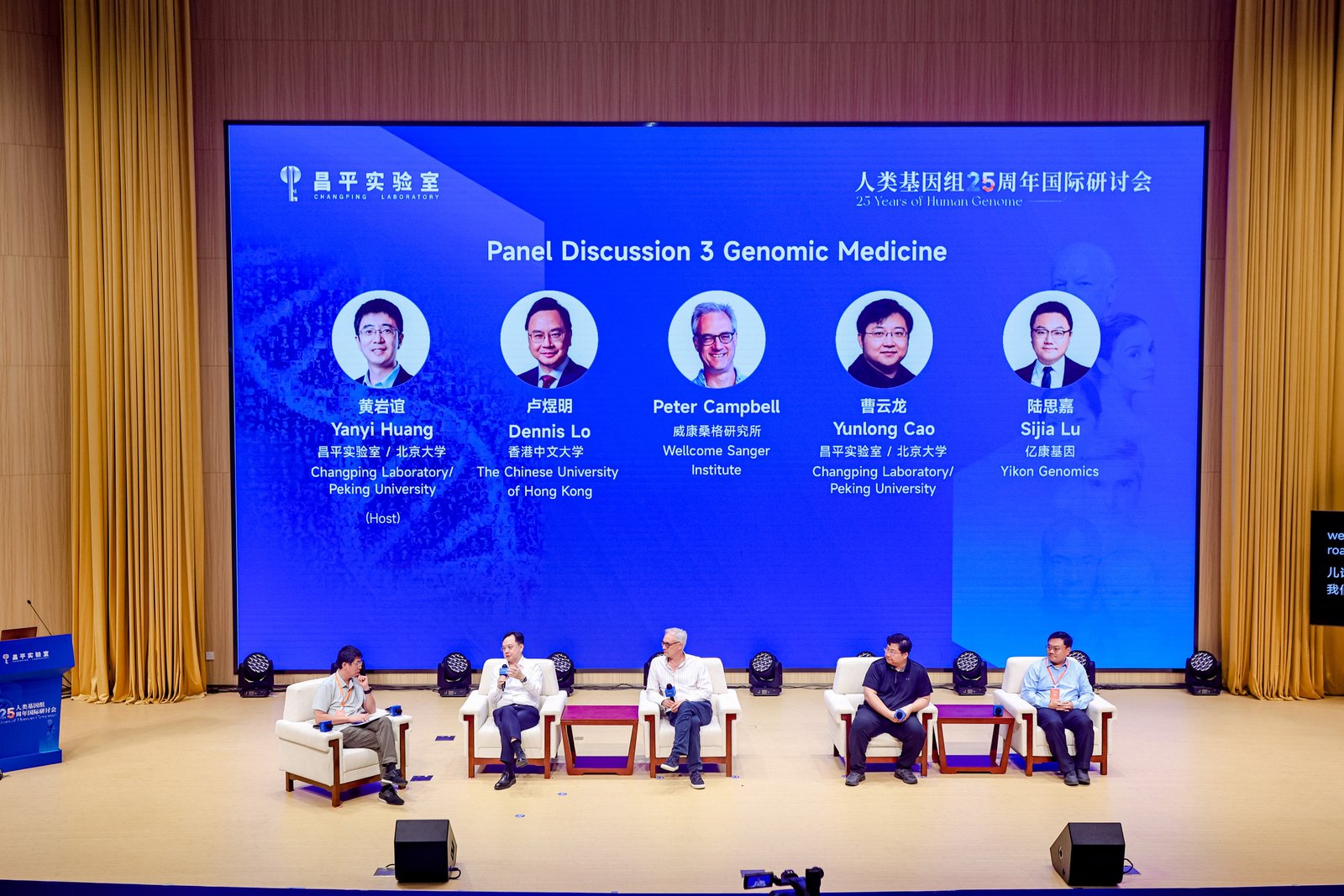
Panel Discussion 3: Genomic Medicine — chaired by Professor Yanyi Huang, Professor Dennis Lo, Dr. Peter Campbell, Professor Yunlong Cao, and Dr. Sijia Lu explored pathways for translating genomic discoveries into clinical applications.
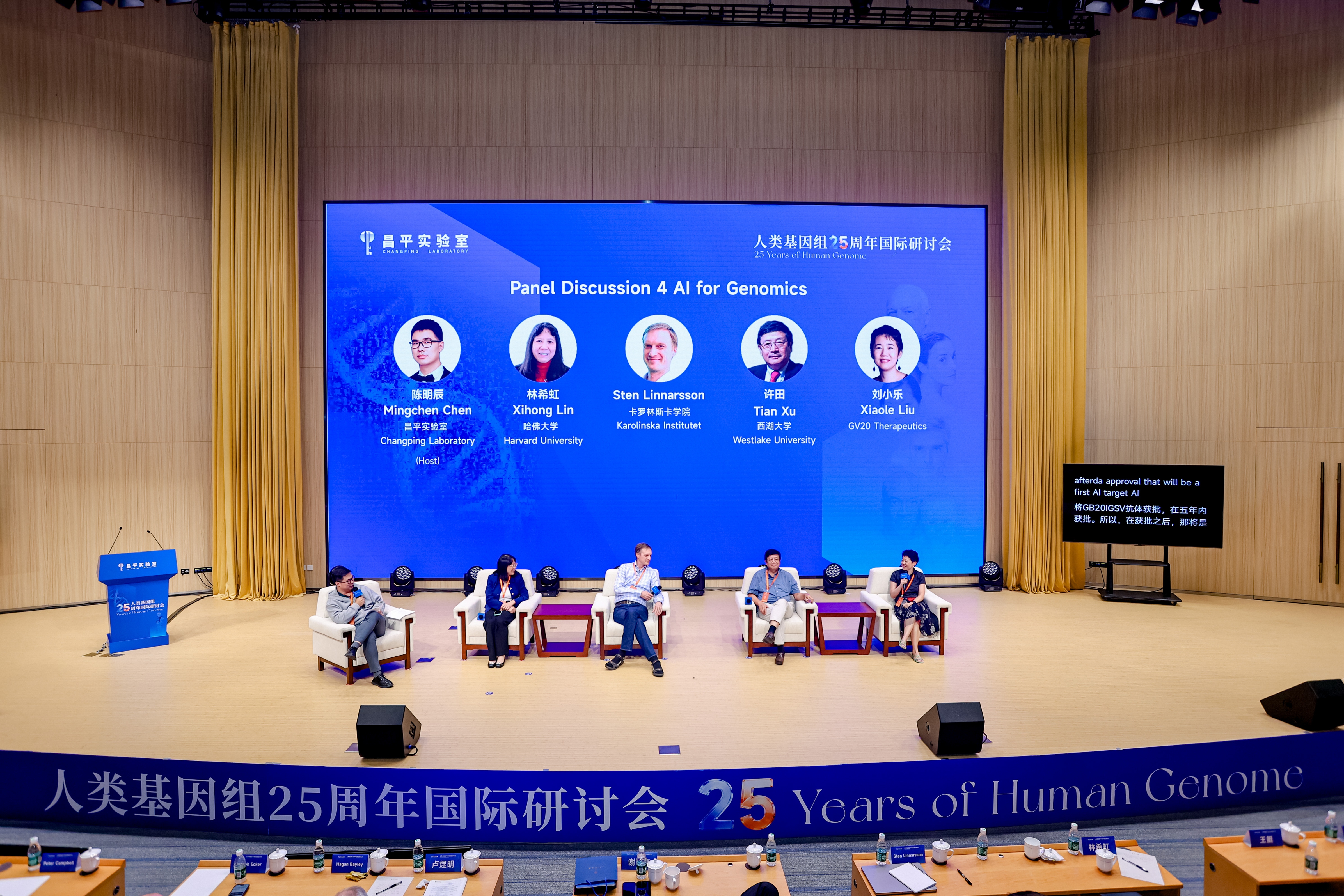
Panel Discussion 4: AI for Genomics — chaired by Dr. Mingchen Chen, Professor Xihong Lin, Professor Sten Linnarsson, Professor Tian Xu, and Dr. Xiaole Liu, discussed the opportunities and challenges of applying artificial intelligence to genomics research.
The symposium provided a high-level platform for academic exchange among researchers in the global genomics community and injected new momentum into the integration of basic research and clinical applications. Twenty-five years ago, scientists from six countries set aside competition and shared data, releasing genome sequences into public databases under the framework of the Bermuda Principles. It was precisely this spirit of international collaboration that enabled humanity, for the first time, to begin reading the “book of life” encoded in our own genome.
The dramatic decline in sequencing costs provides one of the most tangible measures of this revolution: from six years with a total cost of approximately $3 billion for the first human genome sequence, to an average of one genome sequence generated every six seconds at a cost of only several hundred yuan (CNY)—a reduction of more than seven orders of magnitude. Genome sequencing has evolved from an expensive and highly specialized research tool into a routine and increasingly accessible clinical diagnostic technology. China, meanwhile, has grown from contributing approximately 1% of the Human Genome Project to becoming a major contributor to the field of genomics.
As Professor Sunney Xie stated in the closing remarks: “The greatest legacy of the Human Genome Project was not just the data it generated, but the proof that the world could come together to solve a problem too big for any single country, lab, or scientist to tackle alone.” This spirit is precisely the driving force that Changping Laboratory seeks to carry forward across a broader range of scientific endeavors. The convergence of international cutting-edge ideas and the sharing of scientific discoveries will continue to advance innovation in genomics. The journey of exploration over the next 25 years has only just begun, and our collective efforts will shape the future of life sciences.